
Alpaca
Peruvian Alpaca: A Practical Guide
A cornerstone guide to Peruvian alpaca, garment context, and how to evaluate alpaca handicrafts with less guesswork.
Peru is the world’s largest source of alpaca fiber, yet shopping can still be confusing: vague labels, inconsistent grading terms, and blends presented as pure alpaca. This page is a practical overview of breeds, fiber terms, and what to check when evaluating alpaca garments.
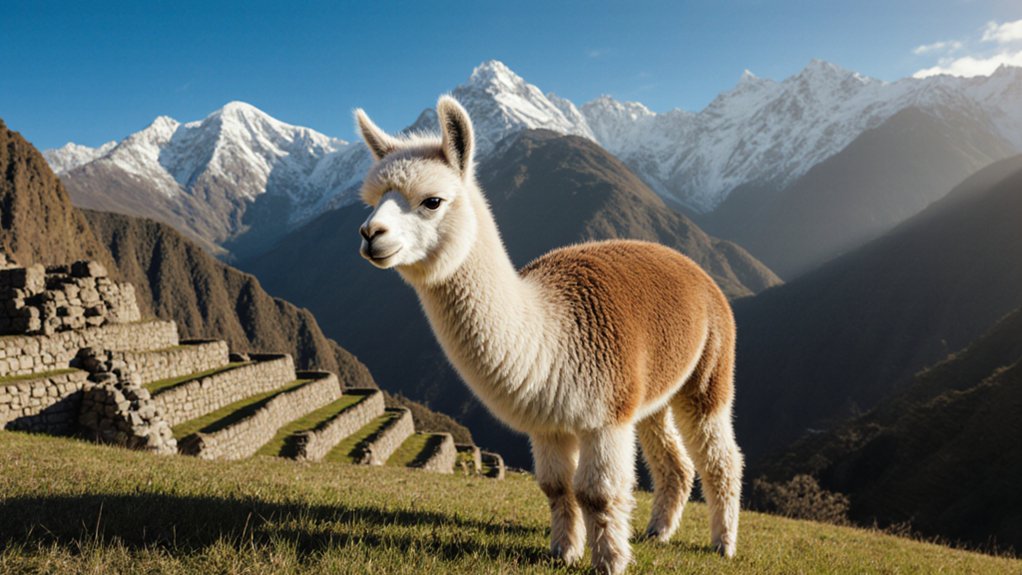
For broader context, browse the Alpaca guides.
What Makes Peruvian Alpacas Different From Other Alpacas
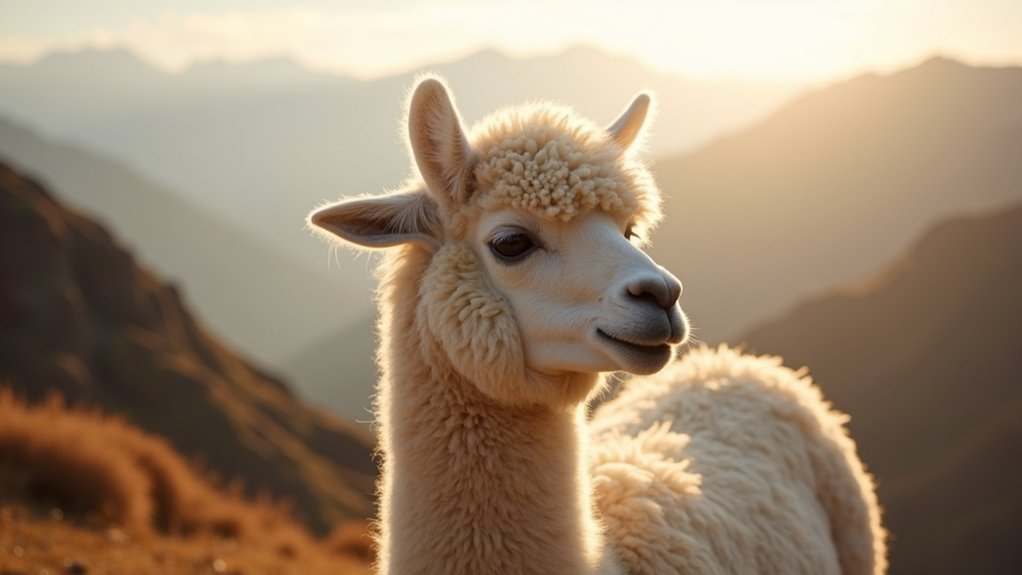
Peru has deep alpaca herding traditions and large highland populations, which is part of why so much of the global alpaca supply is associated with the country. But “Peruvian” on a label does not automatically tell you grade, blend, or construction quality. Use origin as context, then judge the piece itself.
Peru’s Two Alpaca Breeds: Huacaya vs. Suri Compared
Peru’s alpaca population divides into two distinct breeds: the fluffy Huacaya and the sleek Suri. Huacayas comprise approximately 90% of Peru’s alpacas, featuring crimped, dense fleece that grows perpendicular to their bodies. Their fiber texture resembles sheep’s wool with natural crimp and exceptional warmth. Suris, the rarer breed, produce lustrous fiber that hangs in pencil-like locks, creating a silky, dreadlock appearance. Their fleece lacks crimp but offers superior sheen and drape.
These breeding traits can affect market value and the look of finished garments. In broad terms, huacaya tends to suit loftier, warmer knits, while suri tends to suit drapier, smoother textiles.
How Traditional Peruvian Herding Produces Superior Fiber
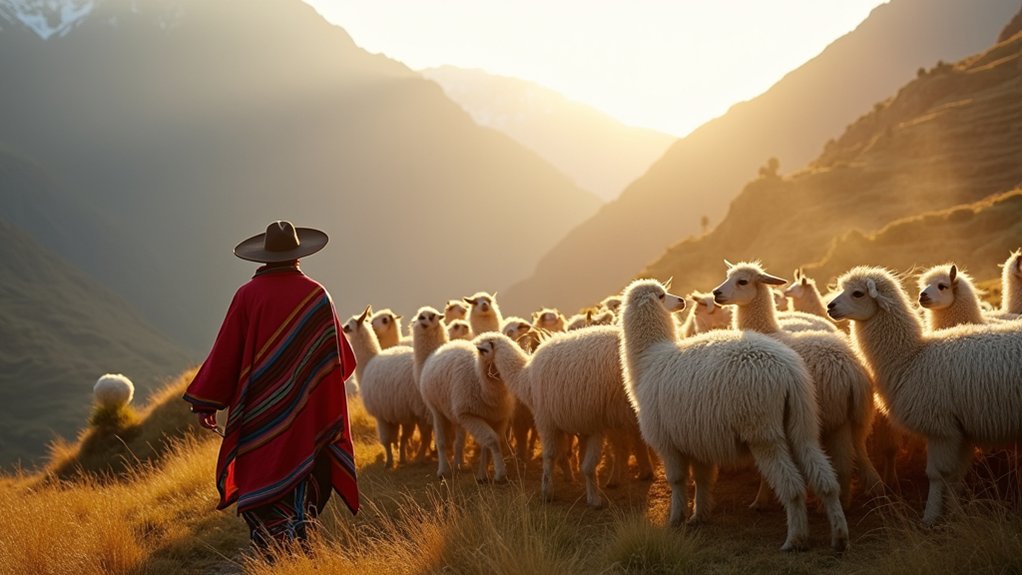
Maintaining alpacas at elevations between 12,000 and 16,000 feet creates fiber with unique properties that lowland production can’t replicate. The harsh Andean climate forces alpacas to develop denser, finer fleece for survival. Traditional herding techniques passed down through generations optimize this natural adaptation.
Peruvian herders rotate grazing areas seasonally, preventing overgrazing while exposing animals to varying temperatures and vegetation. This movement strengthens fiber structure and enhances crimp formation. Herders also selectively breed animals that thrive in extreme conditions, naturally improving fiber quality over time.
The altitude’s intense UV radiation and temperature fluctuations - from freezing nights to warm days - stimulate alpacas to produce exceptionally insulating fiber. Additionally, the sparse highland grasses provide specific nutrients that contribute to superior fiber characteristics. These combined factors make traditionally herded Peruvian alpaca fiber uniquely valuable in global markets.
Reading Alpaca Fiber Grades: Quality Levels Explained
Understanding alpaca fiber grades requires familiarity with the classification system that categorizes fleece by micron count - the measurement of individual fiber diameter. Royal alpaca represents the finest grade at under 18 microns, followed by baby alpaca at 18-22.5 microns, superfine at 22.5-25.5 microns, and adult alpaca at 25.5-32 microns. Fiber grading depends on precise micron measurements obtained through laboratory testing. Each quality level commands different market prices, with finer fibers yielding softer, more luxurious textiles. Beyond diameter, professionals assess color consistency within each fleece batch, as uniform coloration simplifies dyeing processes and maintains product standards. Length, crimp, and strength also influence final grades. Peruvian producers maintain strict sorting protocols, separating fibers into distinct categories that meet international textile standards and buyer specifications.
What to Know Before Buying Peruvian Alpaca Products

Essential verification steps include:
- Check for certification labels or quality seals from Peruvian alpaca associations
- Request fiber content percentages, especially in blended products
- Examine stitching quality and construction methods for durability indicators
Legitimate sellers can usually explain fiber content, blends, and basic care. Very low prices can be a signal to re-check fiber content and construction. Using these simple checks will not guarantee outcomes, but it improves the odds that you’re comparing pieces on real attributes instead of marketing terms.
A useful companion read is the alpaca poncho guide.
Related guides
- Compare it with the alpaca and llama fiber comparison.
- Use the huacaya and suri comparison for a nearby point of comparison.
- Pair this topic with the alpaca wool overview.